PHARMACEUTICAL APPLICATION

Biopharmaceutical Aseptic Final Filling Fluid Solution

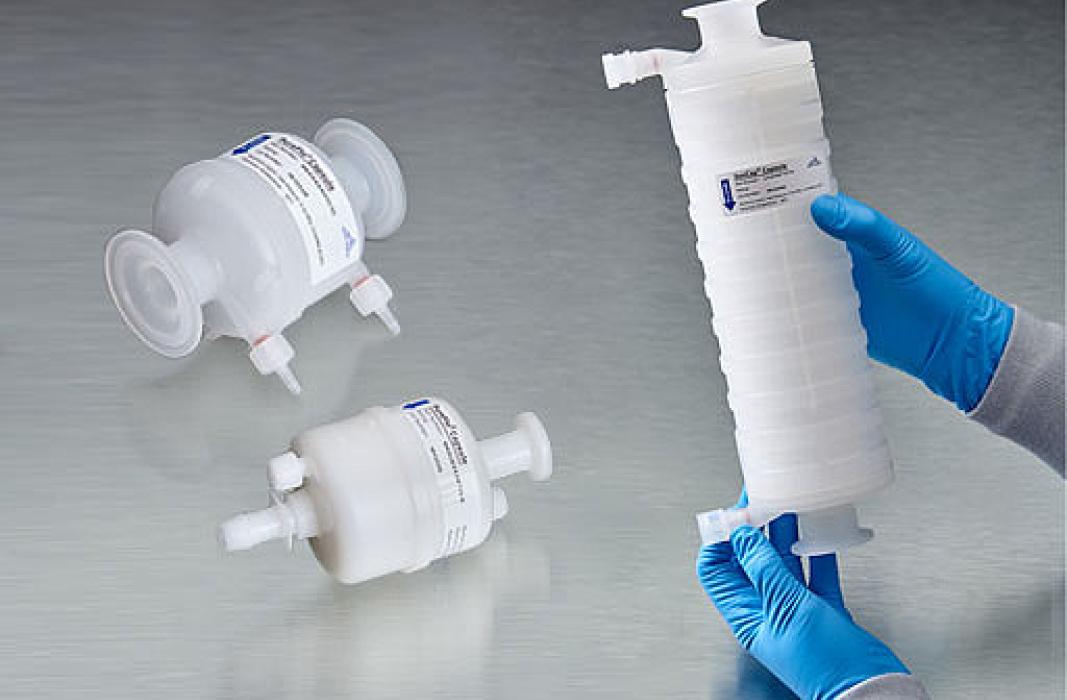
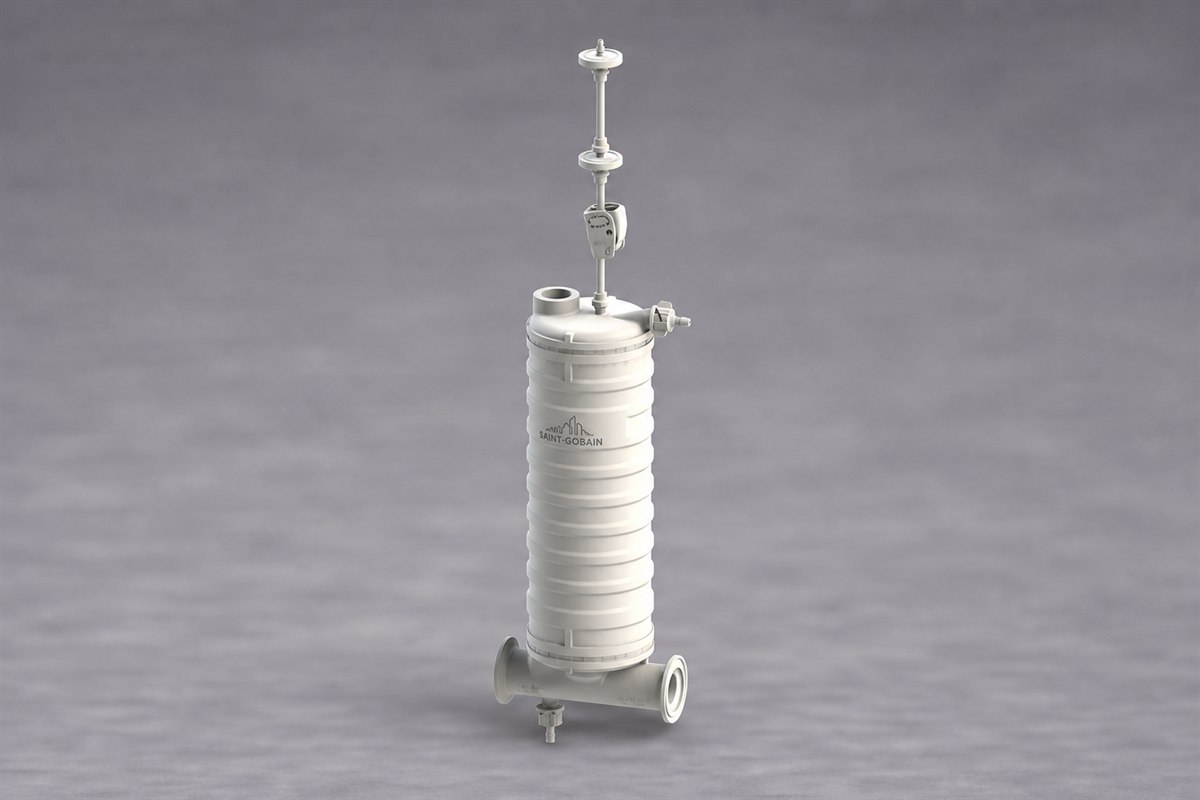
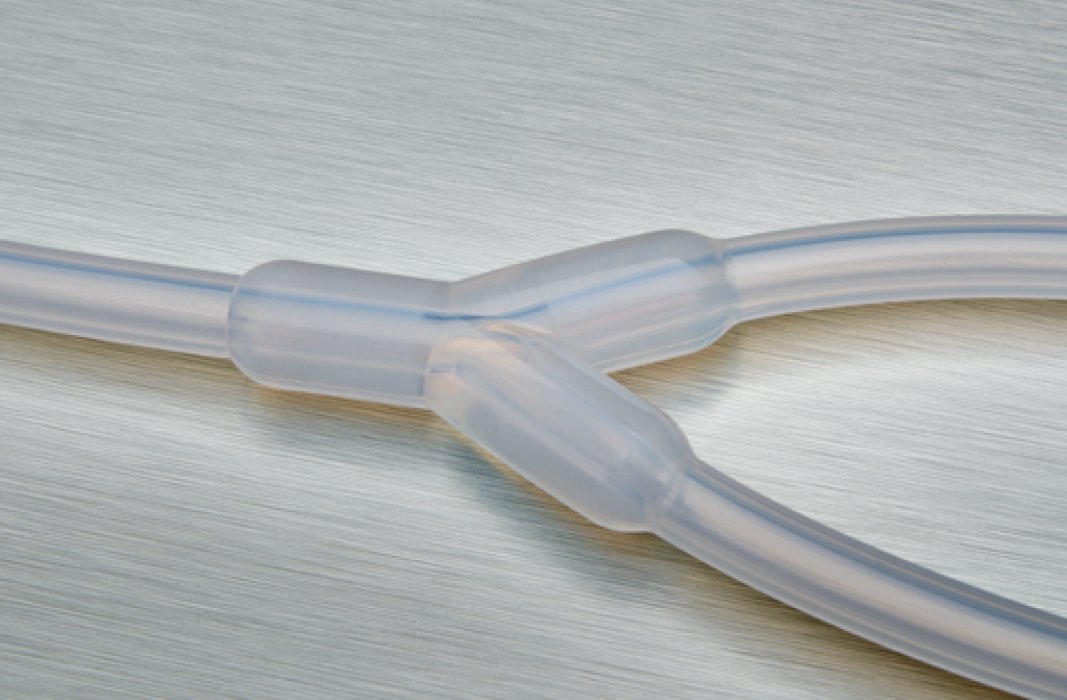
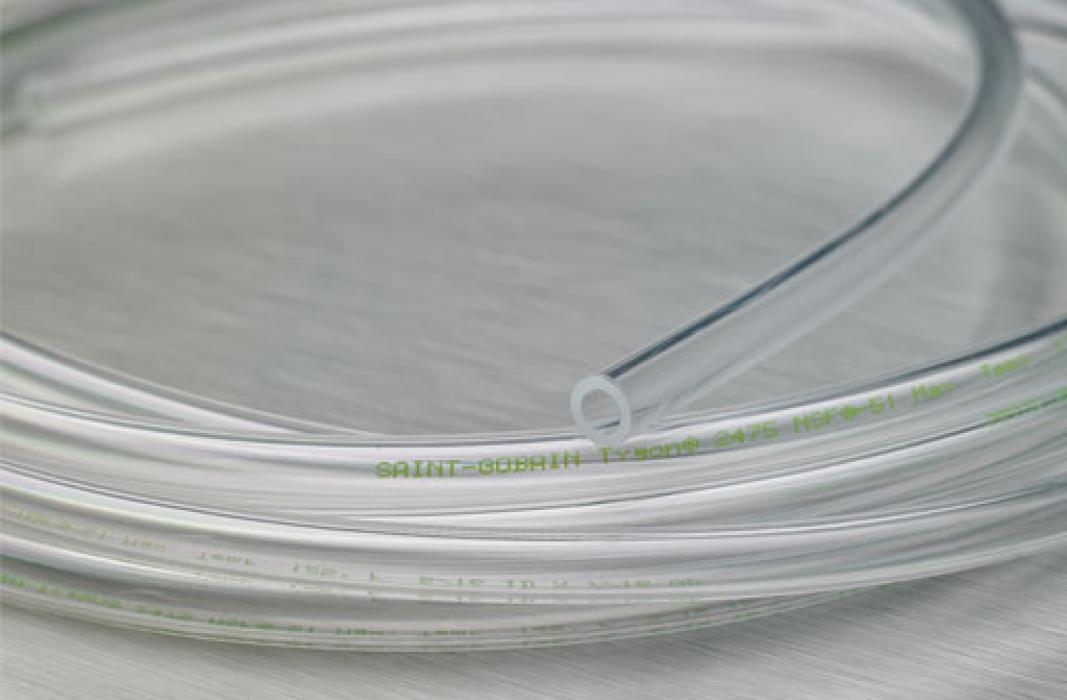
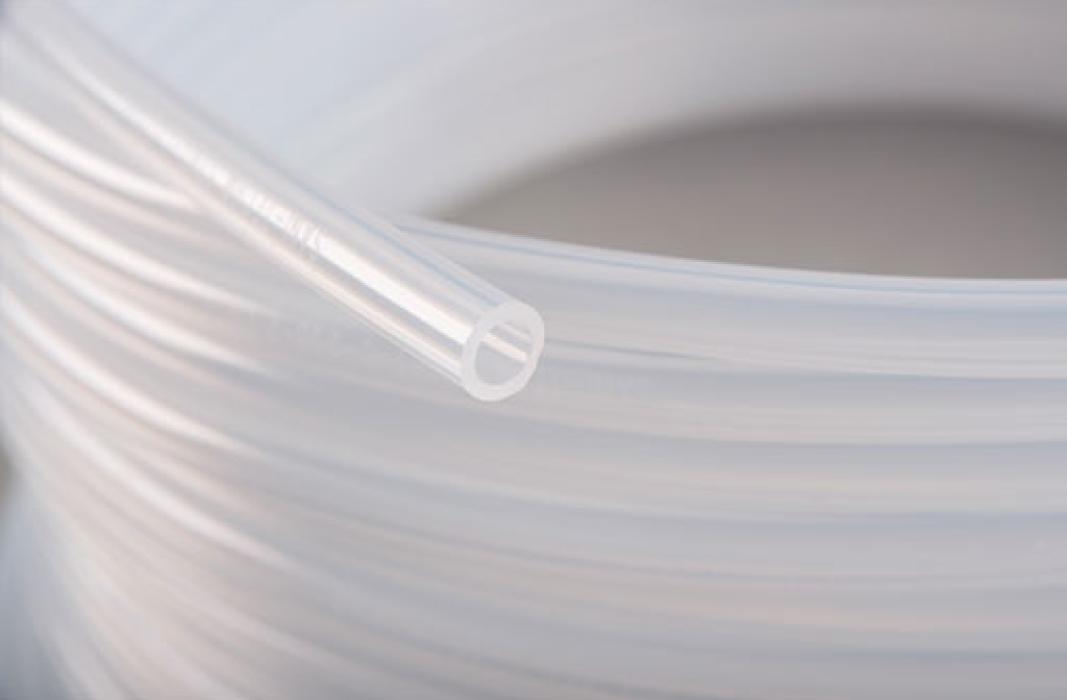
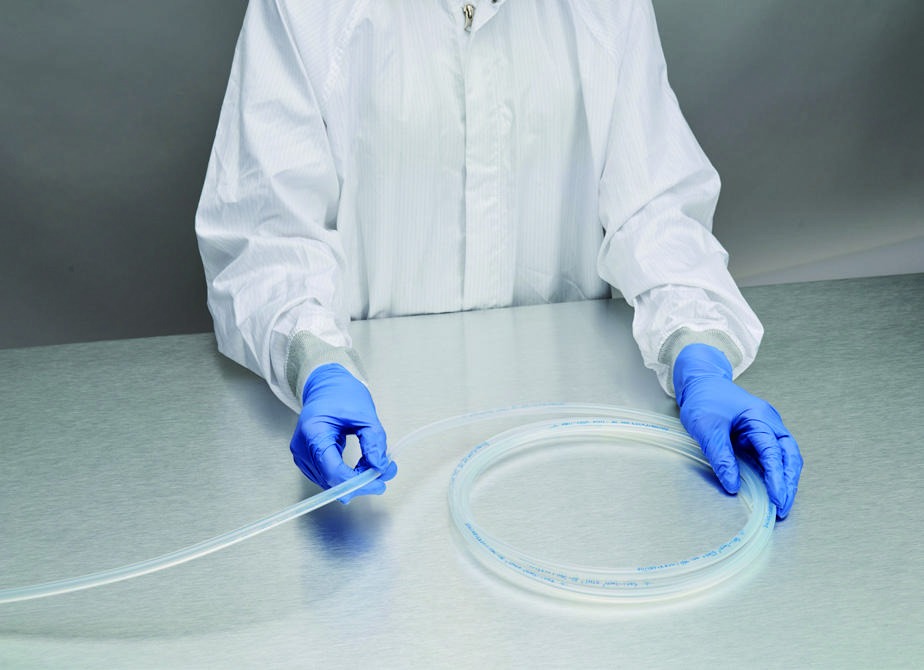
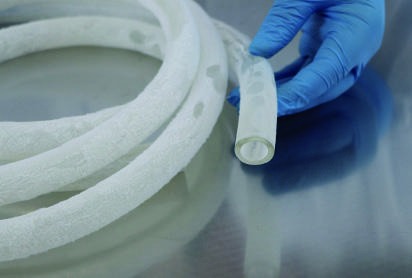
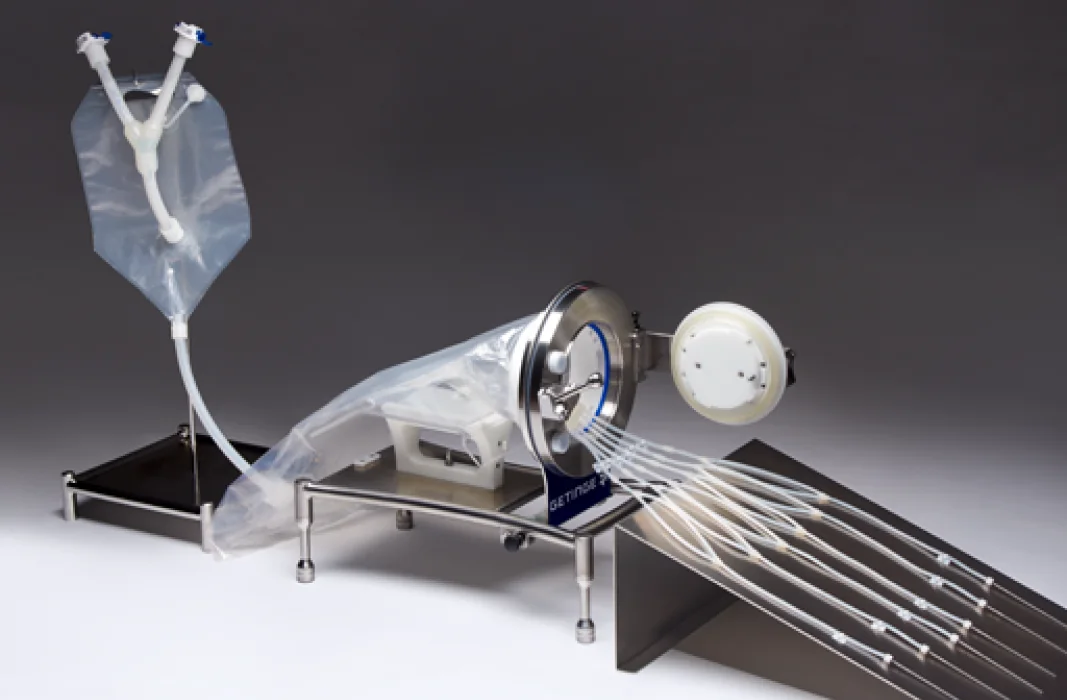
Match silicone pump tubing, sterilizing-grade filters, overmolded manifolds, connectors, and filling assemblies around final filling accuracy, low particles, low hold-up, and aseptic fluid-path integrity.

PROCESS CHALLENGES

Key process considerations

  • Control fill-volume accuracy, recovery stability, and particle shedding under peristaltic pumping
  • Reduce product hold-up in filters, tubing, and manifolds to improve recovery of high-value product
  • Reduce mechanical connections and open handling while maintaining fluid-path integrity from sterilizing filtration to the filling end
SELECTION WORKFLOW

From process to configuration

Confirm the operating envelope and compatibility of the complete fluid path.

01

Filling parameters

Confirm the fill volume, accuracy, pump head, roller count, speed, back pressure, and continuous run time.

02

Fluid-contact materials

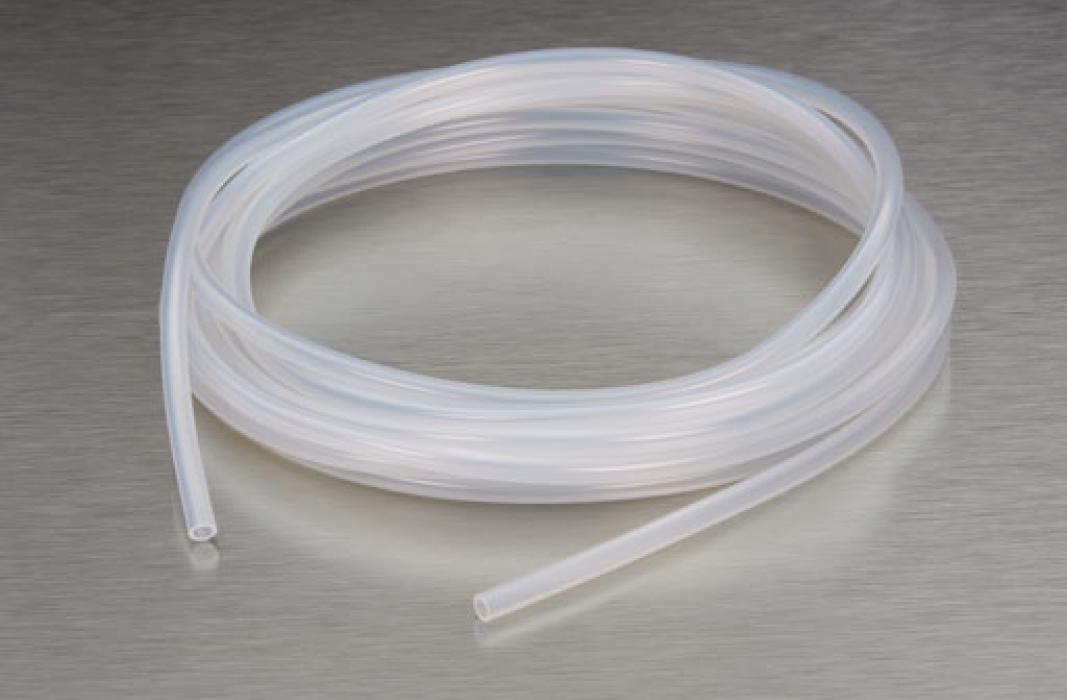
Select pump tubing, transfer tubing, and filter membranes based on the drug product, protein adsorption, extractables, particles, and sterilization method.

03

Assembly design

Confirm requirements for bags, filters, branches, connectors, filling needles, pre-sterilization, and validation documentation.

MATCHED PRODUCTS

Products for aseptic and final filling

A starting point for selection. Confirm each specification against the actual process and validation requirements.

Send process details →

FAQ

Frequently asked questions

What are the most important parameters when selecting final filling pump tubing?

Confirm fill volume and accuracy, pump-head design, tubing size, speed, back pressure, continuous run time, drug-product compatibility, and sterilization method together.

How can product loss in the final filling fluid path be reduced?

Low-hold-up filters, appropriate tubing diameter and length, fewer connection points, and optimized manifold channels can reduce residual product. Evaluate the complete fluid path for the specific process.