PHARMACEUTICAL APPLICATION

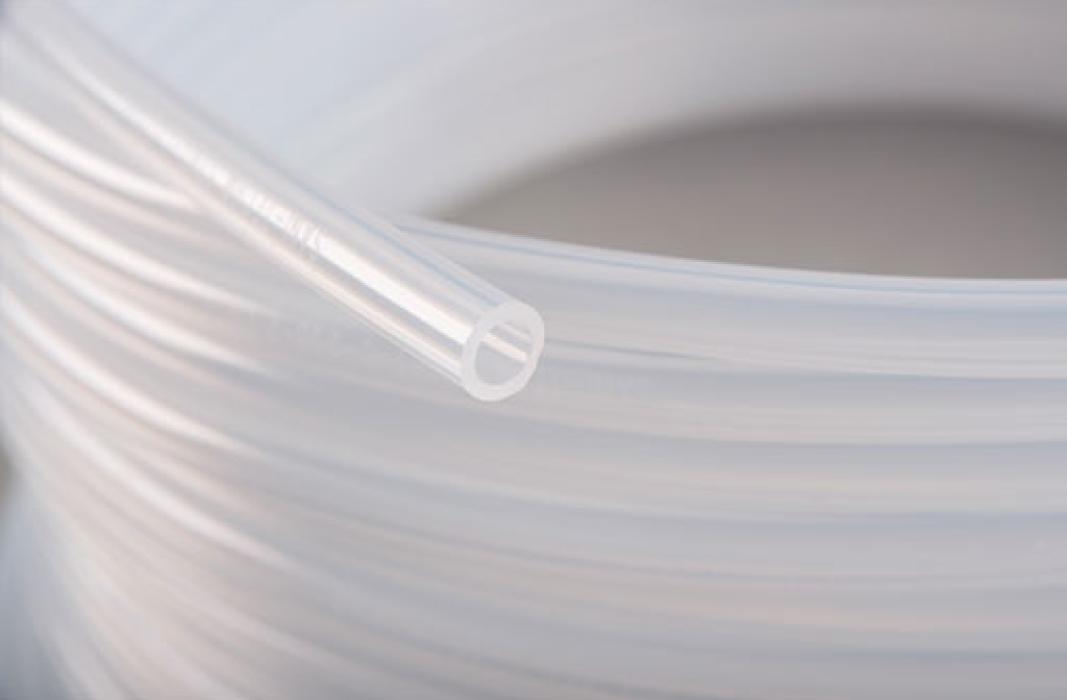
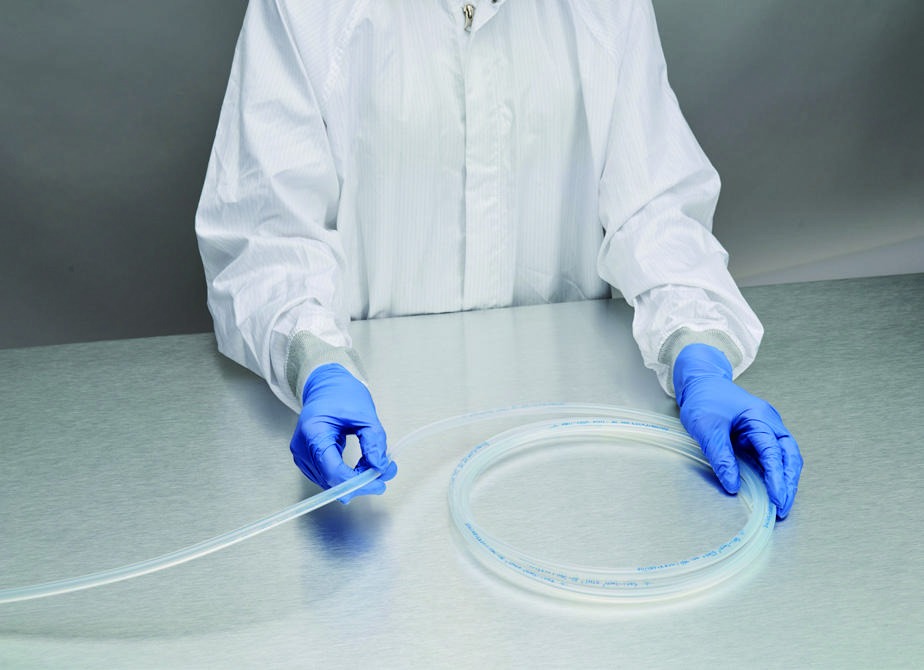
Pharmaceutical Compounding and Clean Fluid Transfer Solution

For transferring buffers, media, process fluids, and bulk solution between tanks, bags, and equipment, select tubing, filtration, connectors, seals, and flow measurement as a matched system.

PROCESS CHALLENGES

Key process considerations

  • Fluid compatibility, adsorption, extractables, and particles can affect product quality
  • Flow, pressure, vacuum, tubing diameter, and bend radius jointly determine transfer efficiency
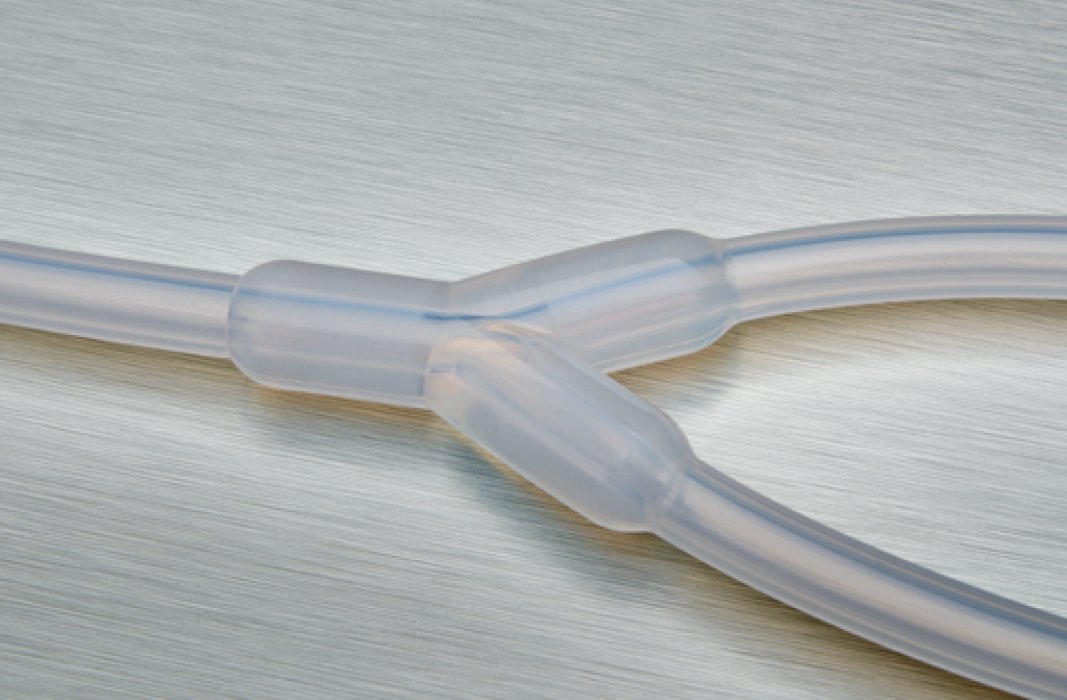
  • Tubing, filters, connectors, seals, and equipment interfaces must be matched as a complete system
SELECTION WORKFLOW

From process to configuration

Confirm the operating envelope and compatibility of the complete fluid path.

01

Fluid conditions

Describe the fluid composition, concentration, viscosity, temperature, sensitivity, and permitted contact materials.

02

Hydraulic conditions

Confirm target flow, pressure, vacuum, head, tubing diameter, length, and available installation bend space.

03

Cleaning validation

Confirm CIP, SIP, high-pressure steam, irradiation, or single-use operation and the required regulatory documentation.

MATCHED PRODUCTS

Products for compounding and fluid transfer

A starting point for selection. Confirm each specification against the actual process and validation requirements.

Send process details →
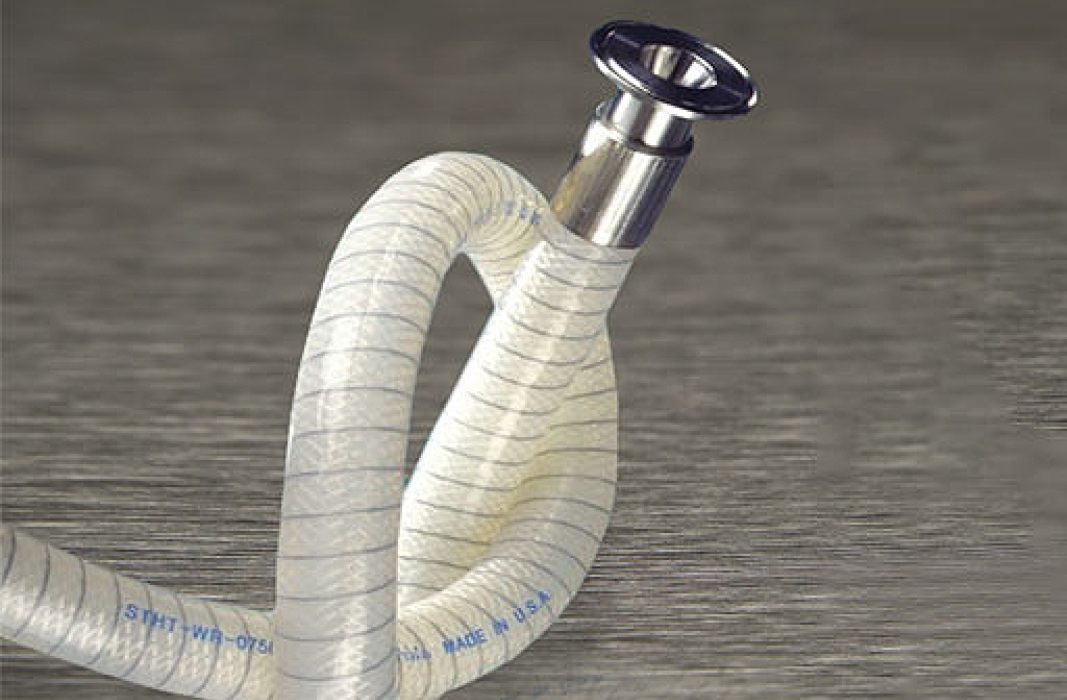
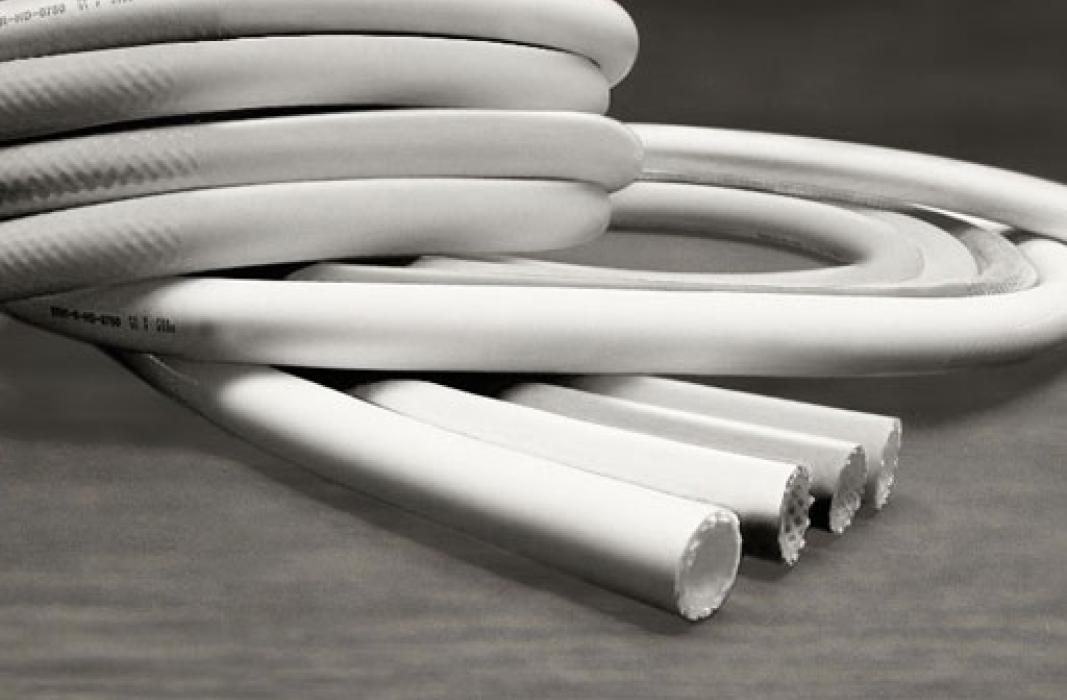
Sani-Tech® STHT®-R-HD Heavy-Duty Reinforced Silicone HoseReinforced hose
Saint-Gobain Sani-Tech

Sani-Tech® STHT®-R-HD Heavy-Duty Reinforced Silicone Hose

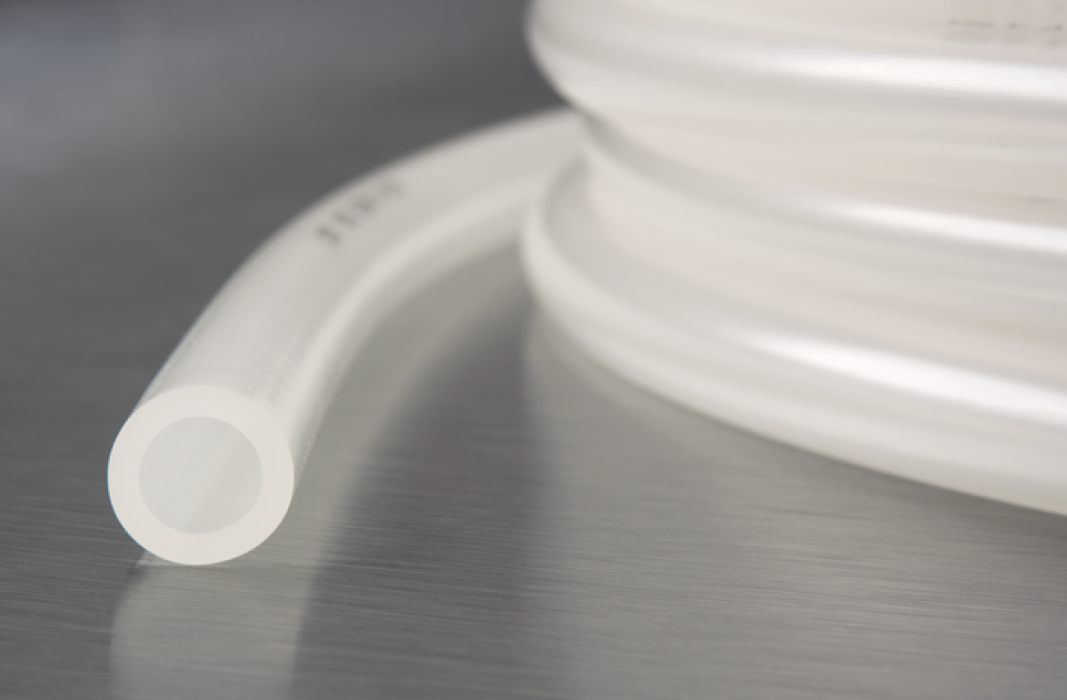
Made with Sani-Tech® 65 biopharmaceutical-grade platinum-cured silicone and a heavy-duty reinforcement structure, this hose is designed for very high-pressure service while maintaining high purity and flexibility and supporting repeated sterilization, bulk fluid transfer, and critical biopharmaceutical applications.

Very High PressureHeavy-Duty Reinforcement
View product →

FAQ

Frequently asked questions

Should compounding transfer tubing be selected first by material or pressure?

Both must be satisfied. First exclude materials that are incompatible with the fluid, then select the construction and size based on temperature, pressure, vacuum, and bend conditions.

How can I determine whether single-layer or reinforced composite tubing is needed?

Higher pressure, vacuum, mechanical compression, or large-diameter bend risk often calls for braided or wire-reinforced construction. Calculate the final choice against the actual operating conditions.