PHARMACEUTICAL APPLICATION

PUPSIT Sterilizing Filtration Integrity Testing Fluid Path Solution

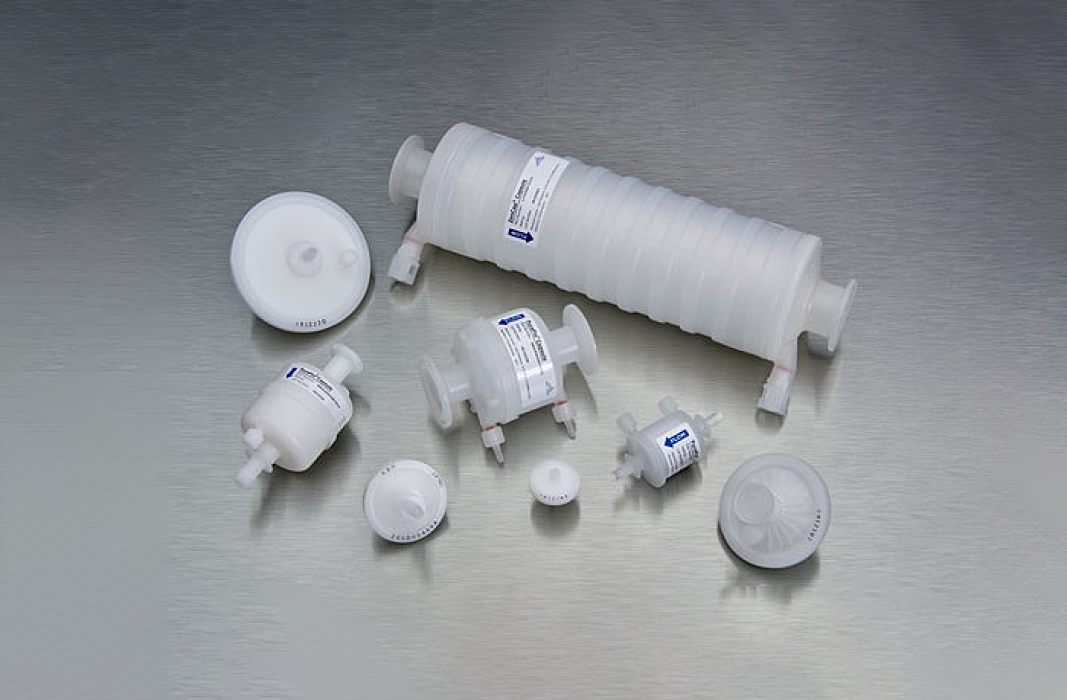
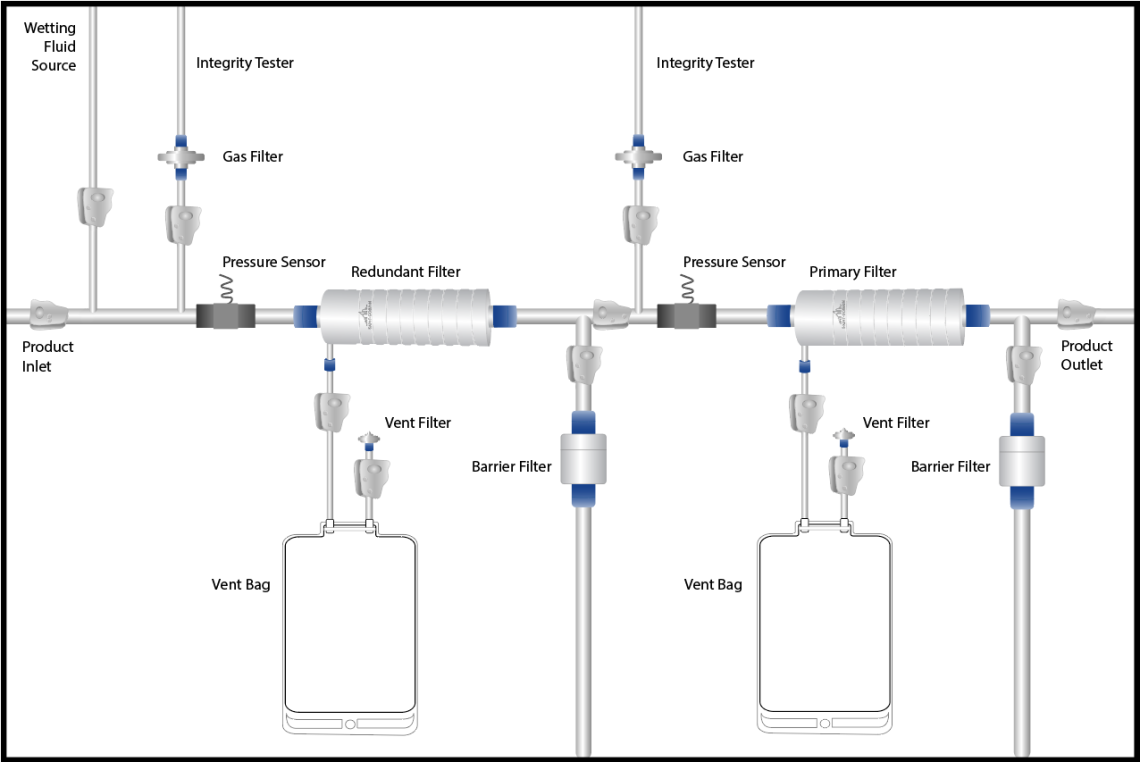
Configure a single-use fluid path for wetting, testing, rinsing, venting, primary filtration, and redundant filtration to test filter integrity after sterilization and before use.

PROCESS CHALLENGES

Key process considerations

  • Complete filter wetting and integrity testing without compromising downstream sterility
  • Clearly isolate and switch the test-gas, wetting-fluid, rinse-fluid, and process-fluid paths
  • Validate tubing pressure resistance, filter connections, vent filtration, and waste-fluid routing as one system
SELECTION WORKFLOW

From process to configuration

Confirm the operating envelope and compatibility of the complete fluid path.

01

Filtration architecture

Confirm single, primary-and-redundant, or redundant filtration, along with each filter membrane, area, and connection.

02

Test method

Define the bubble-point, diffusion-flow, or other integrity test method and the wetting, venting, and rinsing steps.

03

Fluid-path integration

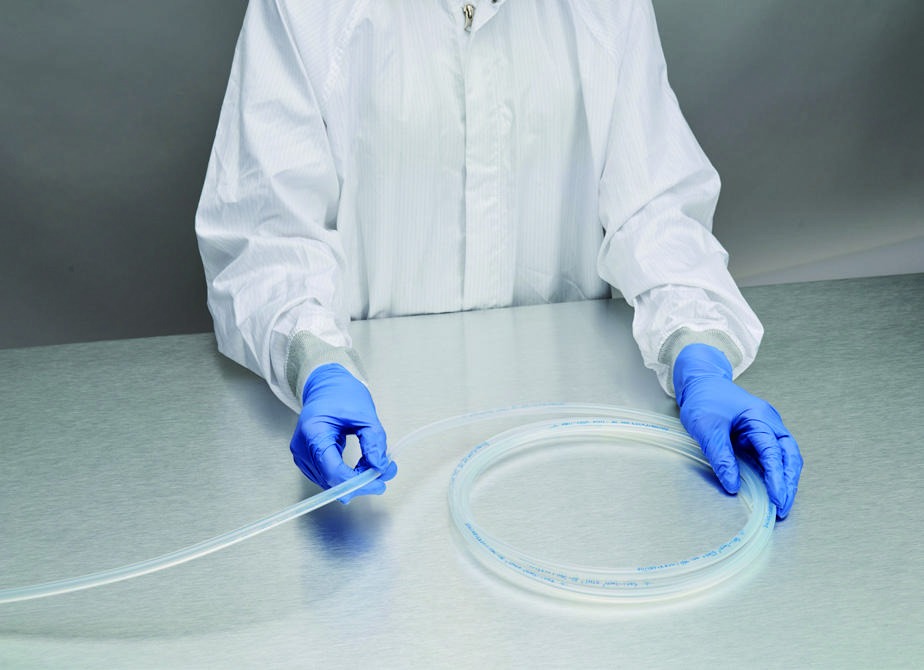
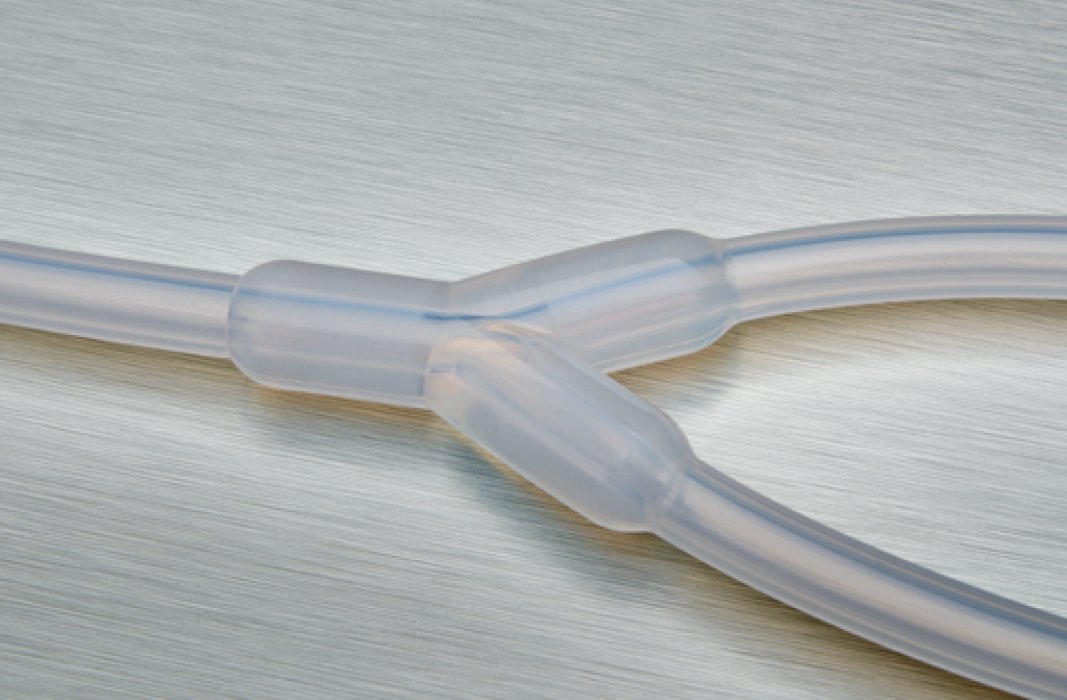
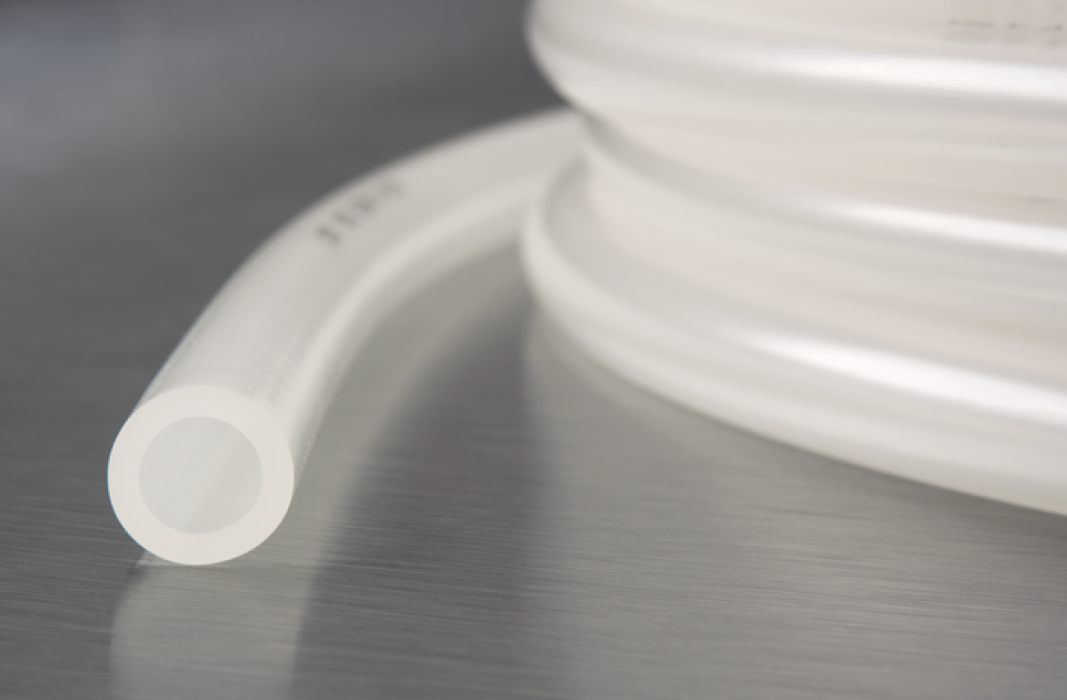
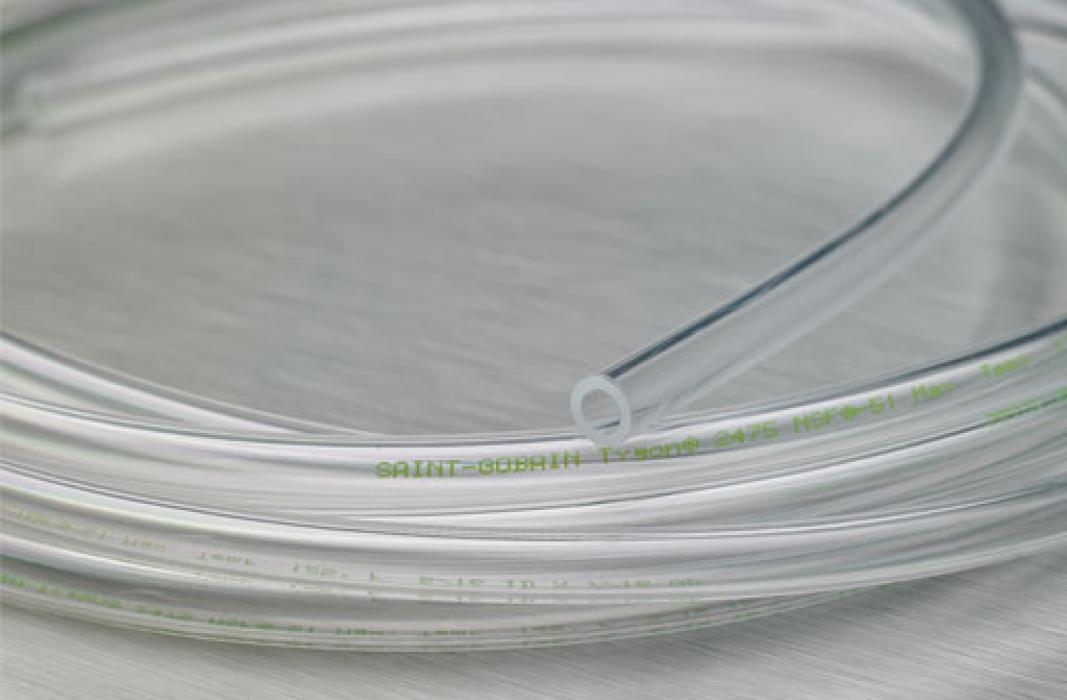
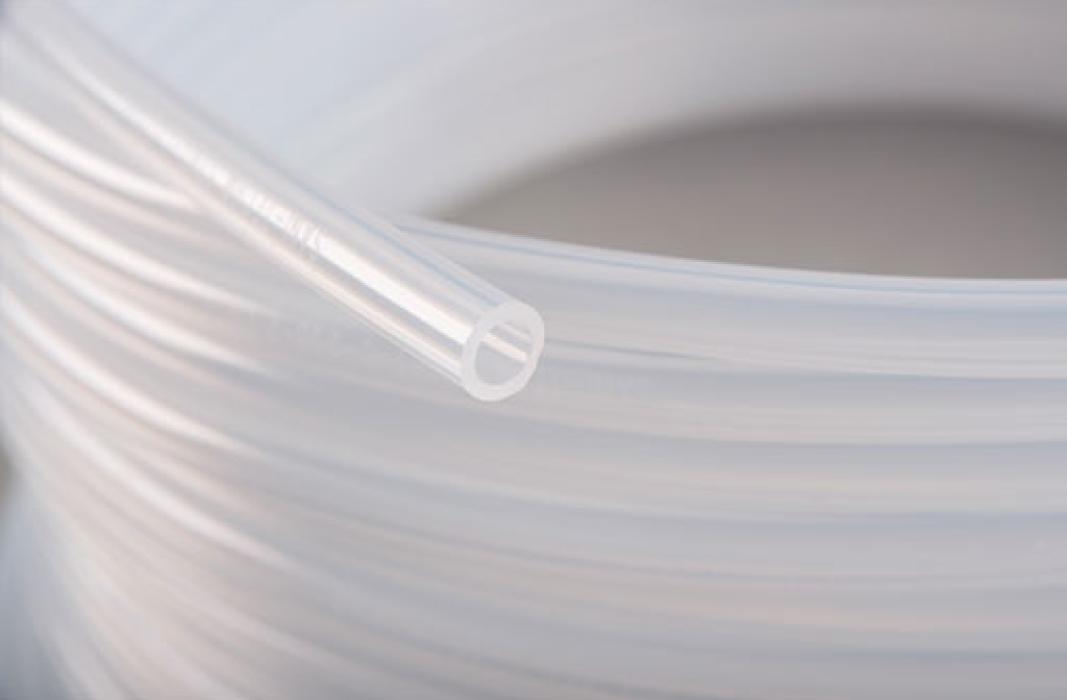
Configure pressure-rated tubing, pinch clamps, vent filters, connectors, bags, and the pre-sterilized delivery format.

MATCHED PRODUCTS

Products for pupsit sterilizing filtration

A starting point for selection. Confirm each specification against the actual process and validation requirements.

Send process details →

FAQ

Frequently asked questions

Does a PUPSIT fluid path have one fixed standard configuration?

No. The configuration changes with filter count, wetting method, integrity test equipment, primary-and-redundant arrangement, and production process, so it should be designed from the process flow diagram.

Why is tubing pressure resistance important in a PUPSIT assembly?

Integrity testing can introduce gas pressure. Tubing hardness, dimensional stability, connection method, and pinch-clamp locations affect test reliability and safety.