PHARMACEUTICAL APPLICATION

Pharmaceutical Peristaltic Pump Tubing Selection Solution

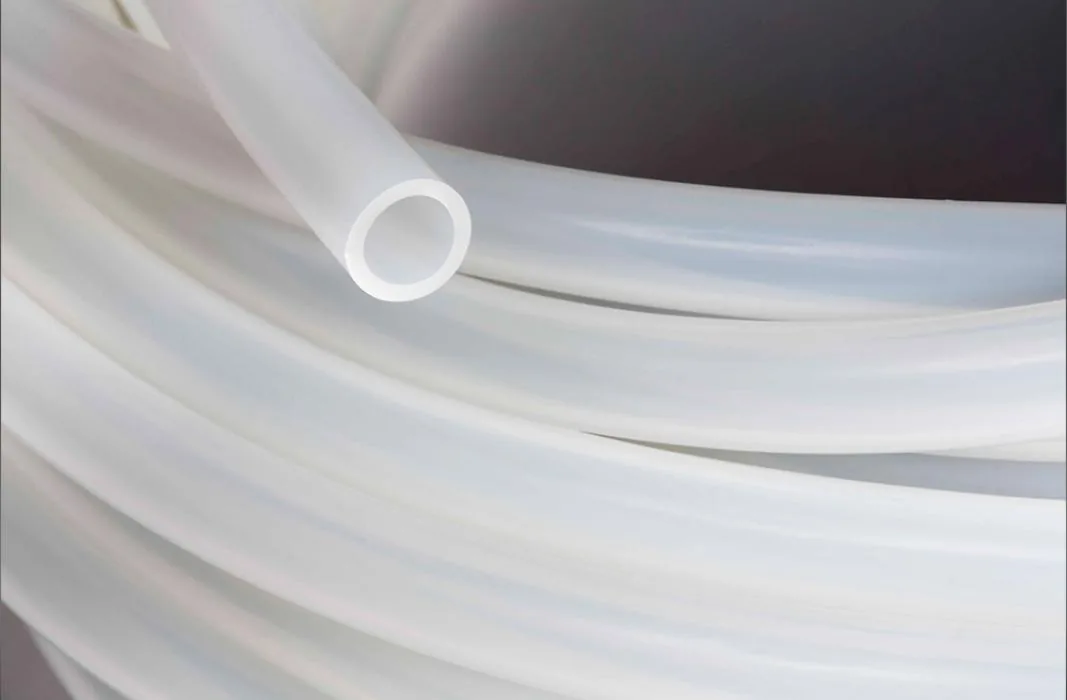
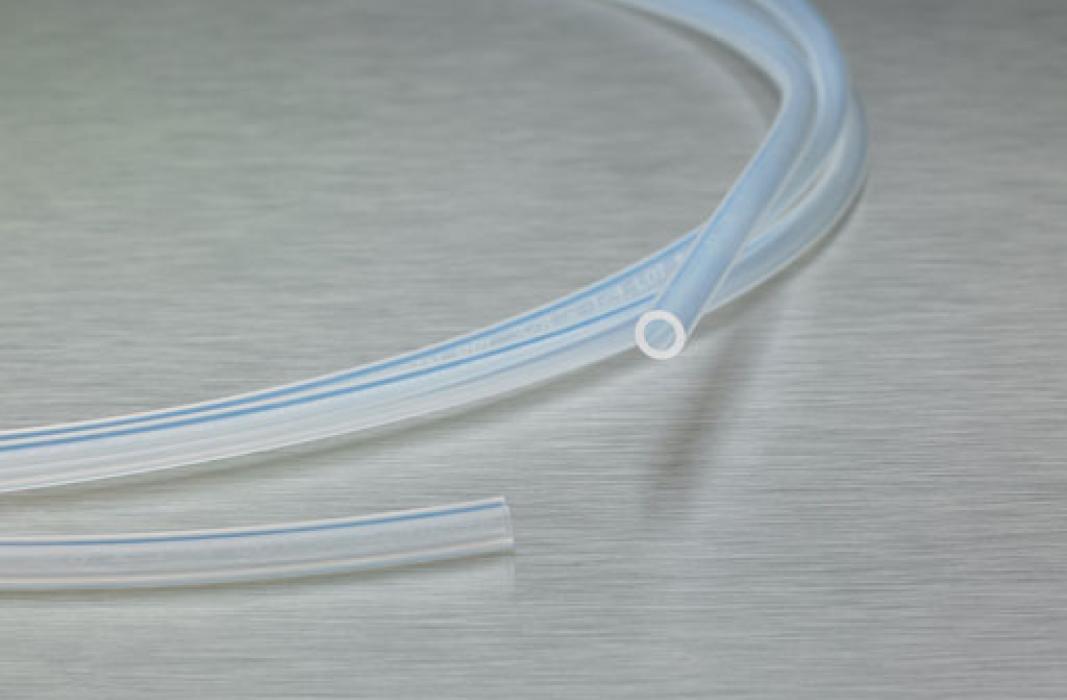
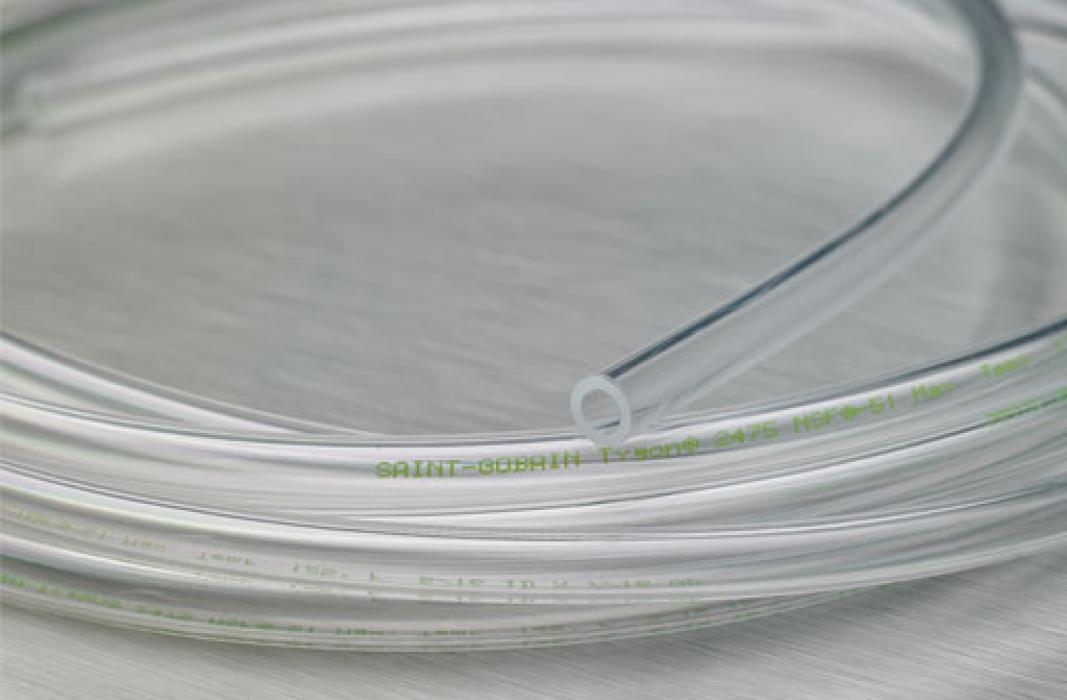
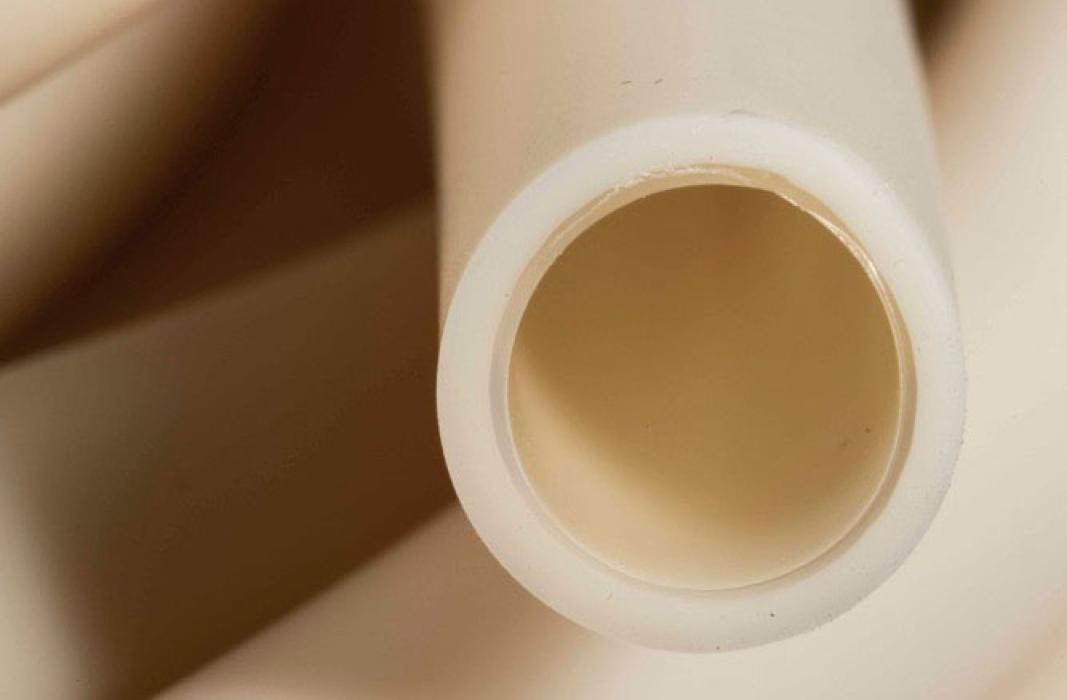
Select pharmaceutical-grade silicone, TPE, and chemical-resistant peristaltic pump tubing according to the fluid, pump head, speed, back pressure, dosing accuracy, and continuous pumping life.

PROCESS CHALLENGES

Key process considerations

  • Tubing hardness, wall thickness, and pump-head compression jointly affect flow, accuracy, and service life
  • Speed, back pressure, temperature, and fluid properties change tubing fatigue and particle-shedding performance
  • Pump tubing must balance fluid compatibility, sterilization method, and regulatory validation requirements
SELECTION WORKFLOW

From process to configuration

Confirm the operating envelope and compatibility of the complete fluid path.

01

Pump and pump head

Provide the pump brand, pump-head model, roller count, tubing gap, and target speed.

02

Operating conditions

Describe the flow rate, back pressure, temperature, continuous or intermittent run time, and permitted replacement interval.

03

Fluid requirements

Confirm the fluid composition, adsorption and extractables risk, sterilization method, filling accuracy, and particle-control requirements.

MATCHED PRODUCTS

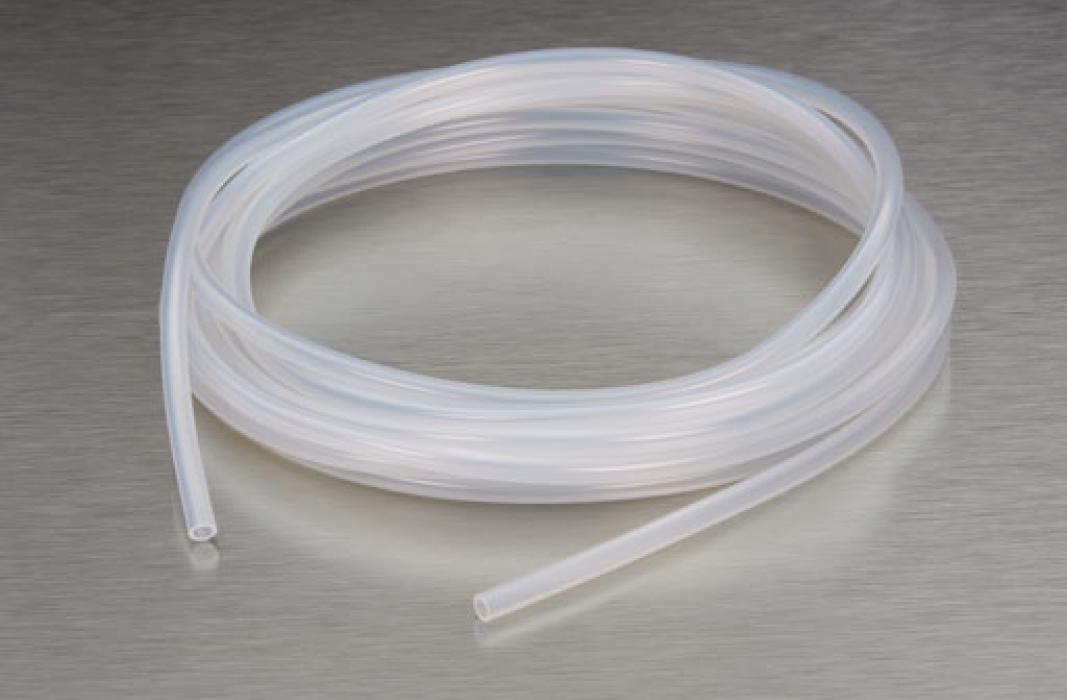
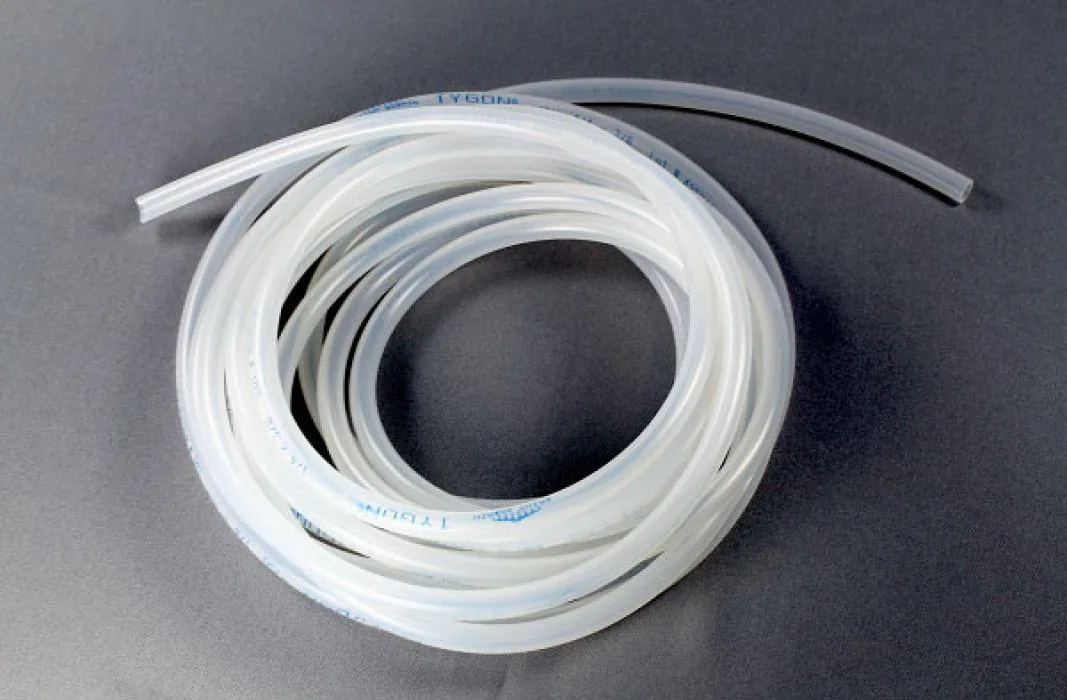
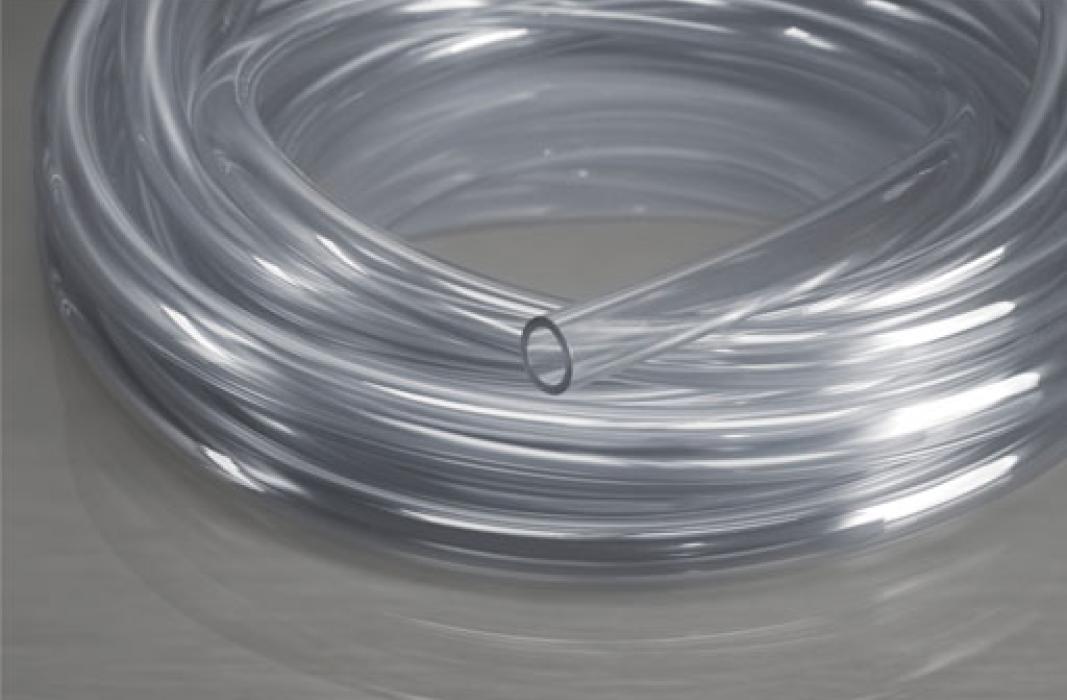
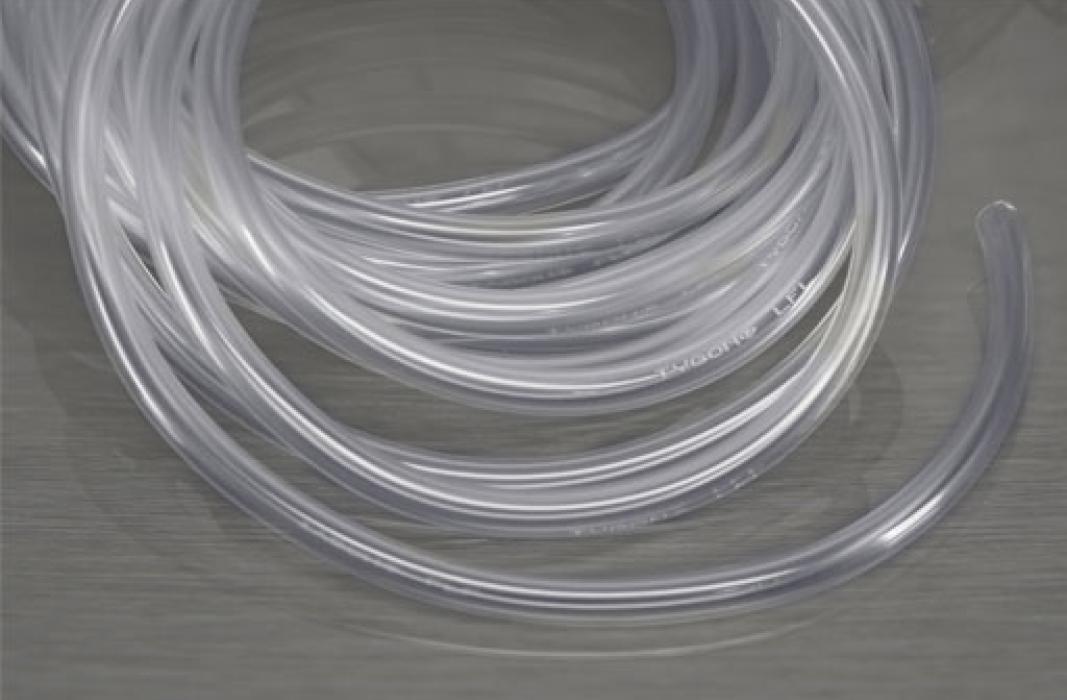
Products for peristaltic pumping

A starting point for selection. Confirm each specification against the actual process and validation requirements.

Send process details →

FAQ

Frequently asked questions

Can both silicone and TPE tubing be used with peristaltic pumps?

Both material families include pump-suitable models, but pumping life, recovery, heat sealing and welding, transparency, and sterilization compatibility differ. Select and test against the actual pump head and operating conditions.

Why does the same pump tubing have different service life on different equipment?

Pump-head compression, roller count, speed, back pressure, temperature, fluid, and sterilization history all change fatigue rate. Catalog data cannot replace confirmation under the actual process conditions.